Steinfeld: A Timeless Script Font for Modern Design
The Evolution of Calligraphy in Digital Typography
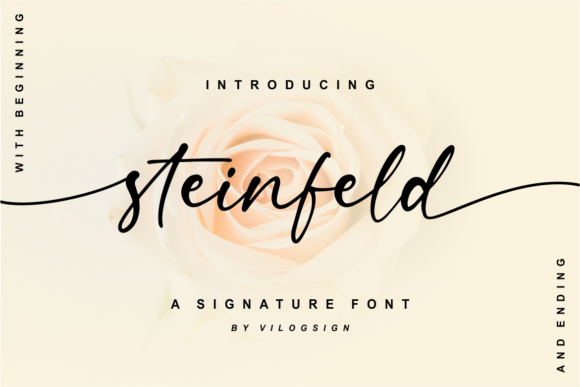
In an era where digital typography dominates the design world, the allure of handcrafted calligraphy has not faded. Instead, it has found a new home in elegant script fonts that bridge the gap between tradition and modernity. One such font is Steinfeld, a contemporary script typeface that captures the essence of classic calligraphy while adapting to the needs of today's designers. This font was meticulously crafted to offer a balance between formality and fluidity, making it a versatile choice for a wide range of creative applications.
Steinfeld’s design philosophy is rooted in the principles of traditional lettering, but with a twist that makes it feel fresh and relevant. It avoids the extremes of being too thin or too thick, offering a balanced stroke variation that mimics the natural flow of a pen on paper. This characteristic allows it to stand out among other script fonts by maintaining readability without sacrificing elegance.
Key Features That Define Steinfeld
At its core, Steinfeld is defined by several key features that make it a standout choice for both professional and personal projects. These include:
- Balanced Stroke Variation: The font uses a consistent yet dynamic stroke weight that enhances legibility while preserving the organic feel of handwritten script.
- Contemporary Atmosphere: While inspired by classical calligraphy, Steinfeld incorporates subtle modern elements that give it a fresh, up-to-date appearance.
- Impeccable Form: Every character in Steinfeld is carefully designed to maintain visual harmony, ensuring that even complex ligatures and flourishes remain aesthetically pleasing.
- Versatile Applications: From branding to web design, Steinfeld can be used across multiple platforms and mediums without losing its integrity.
These features collectively contribute to the font’s ability to adapt to various design contexts, making it suitable for both print and digital media. Whether you're designing a logo, creating a website, or producing a publication, Steinfeld offers a refined aesthetic that elevates your work.
Practical Use Cases for Steinfeld
Steinfeld’s versatility allows it to be used in a variety of practical scenarios. Here are some common use cases where this font shines:
- Brand Identity: Many businesses use script fonts to convey a sense of sophistication and approachability. Steinfeld’s elegant yet modern look makes it ideal for logos, business cards, and packaging designs.
- Web Design: On websites, Steinfeld can be used for headings, navigation menus, or call-to-action buttons. Its readability ensures that users can easily scan through content without feeling overwhelmed by overly ornate typography.
- Print Media: In magazines, brochures, and invitations, Steinfeld adds a touch of refinement. Its clean lines and balanced proportions ensure that text remains legible even at smaller sizes.
- Typography Projects: For designers looking to explore the art of typography, Steinfeld provides a rich source of inspiration. Its unique characteristics allow for creative experimentation with spacing, kerning, and layout.
Each of these use cases demonstrates how Steinfeld can be tailored to fit different design needs. Its adaptability ensures that it remains a valuable asset in any designer’s toolkit.
Why Choose Steinfeld Over Other Script Fonts?
With so many script fonts available, it’s important to understand what sets Steinfeld apart from the rest. While many script fonts prioritize style over substance, Steinfeld manages to strike a perfect balance between aesthetics and functionality.
One of the main advantages of Steinfeld is its readability. Unlike some script fonts that can become difficult to read when used in large blocks of text, Steinfeld maintains clarity even in extended passages. This makes it a more practical choice for real-world applications, such as website content or printed materials.
Another advantage is its scalability. Steinfeld performs well across different sizes and resolutions, ensuring that it looks sharp on both high-resolution screens and printed pages. This makes it an excellent choice for cross-platform projects that require consistency across multiple formats.
Additionally, Steinfeld’s design reflects a deep understanding of typography fundamentals. The font’s creators have taken care to ensure that each character flows naturally into the next, creating a seamless reading experience. This attention to detail is evident in every aspect of the font’s design.
Considerations When Using Steinfeld
While Steinfeld is a powerful tool for designers, there are a few considerations to keep in mind when using it in your projects:
- Legibility in Long Texts: Although Steinfeld is highly readable, it may not be the best choice for long paragraphs of body text. It works best when used sparingly, such as for headings, subheadings, or accents within larger blocks of text.
- Font Pairing: To create a visually appealing design, it’s important to pair Steinfeld with complementary sans-serif or serif fonts. This helps to maintain contrast and improve overall readability.
- License Restrictions: As with any font, it’s essential to check the licensing agreement to ensure that you’re allowed to use Steinfeld in your specific project. Some fonts may have restrictions on commercial use or require attribution.
By keeping these considerations in mind, you can ensure that Steinfeld is used effectively and appropriately in your designs.
Real-World Examples of Steinfeld in Action
To better understand how Steinfeld can be applied in practice, let’s look at a few real-world examples:
Example 1: Branding for a Luxury Fashion Line
A high-end fashion brand wanted to create a logo that exuded elegance and sophistication. They chose Steinfeld for its refined appearance and timeless appeal. The result was a logo that perfectly captured the brand’s identity, with a font that felt both classic and contemporary.
Example 2: Website Redesign for a Creative Studio
A design studio decided to revamp their website to reflect their evolving brand. They selected Steinfeld for the headline sections, using it alongside a clean sans-serif font for body text. This combination created a harmonious visual hierarchy that enhanced user experience and made the site more engaging.
Example 3: Invitations for a Corporate Event
For a corporate event, organizers needed invitations that conveyed professionalism and exclusivity. Steinfeld was chosen for its polished look and strong visual impact. The invitations featured the font prominently, with subtle embellishments that added a touch of luxury.
These examples illustrate how Steinfeld can be successfully integrated into various design contexts, reinforcing its value as a versatile and effective typeface.
Conclusion
Steinfeld is more than just a font—it’s a testament to the enduring beauty of calligraphy in the digital age. With its balanced stroke variation, contemporary atmosphere, and impeccable form, it offers a unique blend of tradition and innovation that appeals to a wide range of users. Whether you're a professional designer or a hobbyist, Steinfeld provides a powerful tool for creating visually compelling and functionally sound designs.