Amandine Monoline: A Modern Display Font for Versatile and Elegant Design
In the ever-evolving world of typography, finding a font that balances elegance with modernity can be a challenge. Enter Amandine Monoline, a display font that has captured the attention of designers, creators, and professionals across various industries. With its clean lines, refined curves, and sophisticated appeal, this font offers a unique blend of classic charm and contemporary style. Whether you're designing a logo, crafting wedding invitations, or working on a website header, Amandine Monoline brings a touch of class and versatility to any project.
The name itself, Amandine, evokes a sense of grace and femininity, but the font is far from being limited to just one gender. Its design elements are carefully crafted to appeal to a broad audience, making it an excellent choice for both masculine and feminine branding efforts. This makes it particularly well-suited for fashion-related projects, where a balance between strength and delicacy is often required.
Key Characteristics of Amandine Monoline
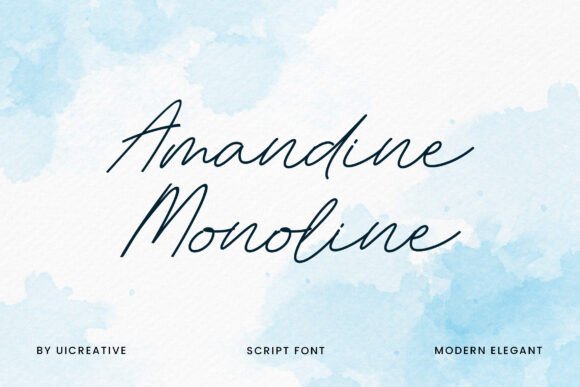
Amandine Monoline stands out due to its distinctive features, which contribute to its widespread appeal. One of its most notable qualities is the use of monoline strokes, which give the font a uniform thickness throughout. This characteristic not only enhances readability but also adds a sense of consistency and refinement to any text it accompanies.
The font's modern elegance is further enhanced by its subtle serifs and smooth transitions between letters. These details make the font feel both professional and approachable, allowing it to fit seamlessly into a wide range of design contexts. From editorial layouts to digital interfaces, Amandine Monoline adapts effortlessly to different mediums and purposes.
Another key feature is its versatility. Unlike some display fonts that are best suited for specific applications, Amandine Monoline can be used in multiple ways. It works well as a headline font for magazines, as a signature font for stationery, or even as a branding element for logos. This adaptability ensures that it remains relevant across various industries and creative fields.
Practical Applications of Amandine Monoline
The beauty of Amandine Monoline lies in its ability to be applied to a diverse array of projects. Here are some of the most common and effective uses of this font:
- Logo Design: The font's clean and elegant appearance makes it ideal for creating logos that exude professionalism and sophistication. Its monoline structure ensures that the logo remains legible even at smaller sizes.
- Wedding Invitations: For couples looking to create a memorable invitation, Amandine Monoline provides a perfect blend of romance and modernity. Its soft curves and balanced proportions add a touch of class to any event-related design.
- Website Headers: In web design, Amandine Monoline can serve as a striking header font that draws attention without overwhelming the user. Its readability and visual appeal ensure that it complements other design elements effectively.
- Stationery and Signatures: Whether it's a business card, letterhead, or personal signature, Amandine Monoline adds a level of elegance that sets your brand apart. Its clean lines and refined aesthetics make it a popular choice among professionals and creatives alike.
- Fashion Branding: Given its ability to convey both masculinity and femininity, Amandine Monoline is an excellent choice for fashion-related branding. It can be used in everything from clothing labels to promotional materials, helping to establish a cohesive and stylish brand identity.
These applications highlight the font's flexibility and effectiveness in real-world scenarios. By choosing Amandine Monoline, designers can create visually appealing and functionally sound projects that resonate with their target audience.
Advantages of Using Amandine Monoline
One of the primary advantages of Amandine Monoline is its ability to enhance the visual appeal of any design. Its modern yet elegant aesthetic allows it to stand out while still maintaining a sense of professionalism. This makes it a go-to choice for designers who want to create content that is both attractive and easy to read.
Another benefit is its readability. Unlike some display fonts that can be difficult to decipher at smaller sizes, Amandine Monoline maintains clarity and legibility even when scaled down. This is particularly important for digital content, where users often skim through text quickly.
Additionally, the font's customizability makes it suitable for a wide range of design needs. Whether you're working on a minimalist layout or a more elaborate composition, Amandine Monoline can be adjusted to fit your vision. Its clean lines and balanced proportions allow for seamless integration with other design elements, ensuring that the final product looks cohesive and polished.
For professionals and hobbyists alike, Amandine Monoline offers a reliable solution for creating high-quality designs that leave a lasting impression. Its combination of elegance, functionality, and versatility makes it a valuable asset in any designer's toolkit.
Considerations When Using Amandine Monoline
While Amandine Monoline is a highly versatile font, there are a few considerations to keep in mind when using it in your projects. First, it's important to ensure that the font is appropriate for the intended purpose. While it works well for many applications, it may not be the best choice for long blocks of text due to its display-style nature.
Second, when pairing Amandine Monoline with other fonts, it's essential to maintain a harmonious balance. Choosing complementary fonts that share similar characteristics can help create a more cohesive design. For example, pairing it with a sans-serif font can provide contrast while still maintaining a sense of unity.
Lastly, it's worth considering the context in which the font will be used. While Amandine Monoline is suitable for a wide range of projects, it may not be the best fit for every situation. Understanding the requirements of your project and how the font aligns with those requirements can help ensure that your design meets your goals effectively.
By taking these considerations into account, designers can make informed decisions about how to best utilize Amandine Monoline in their work. This ensures that the font is used in a way that enhances the overall design rather than detracting from it.
Real-World Examples and Observations
To better understand the impact of Amandine Monoline, let's look at a few real-world examples of how it has been used in practice. One notable application is in the branding of a luxury fashion label. The designers chose Amandine Monoline for its ability to convey both sophistication and modernity, which perfectly aligned with the brand's identity. The font was used in everything from packaging to advertising, helping to establish a strong and consistent visual presence.
In another instance, a magazine editor opted for Amandine Monoline as the headline font for a special edition issue. The font's elegant curves and clean lines added a sense of refinement to the publication, making it stand out on newsstands and attracting readers' attention. The result was a visually appealing layout that complemented the magazine's content effectively.
These examples demonstrate how Amandine Monoline can be used to enhance the visual appeal of various projects. Whether it's for fashion, publishing, or digital media, the font consistently delivers a sense of class and professionalism that resonates with audiences.
As more designers discover the potential of Amandine Monoline, it's likely that its popularity will continue to grow. Its ability to adapt to different contexts and maintain a high level of quality makes it a valuable addition to any designer's repertoire.