Priestley Script: A Modern Handmade Calligraphy Style for Creative Expression
The Evolution of Script Fonts in Design
Script fonts have long been a staple in the world of typography, offering a sense of elegance and personality that sans-serif and serif fonts often lack. Among the latest additions to this category is Priestley, a fresh and modern script font that blends the artistry of handmade calligraphy with the clean lines of contemporary design. This unique font has quickly gained popularity among designers, artists, and content creators who are looking for something both decorative and functional.
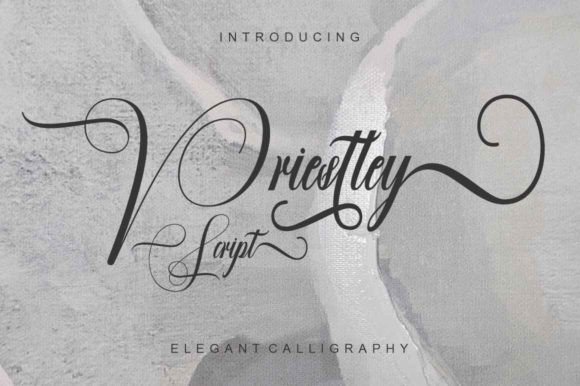
Priestley is not just another script font; it's a new interpretation of traditional calligraphy techniques, adapted for digital use. Its decorative characters and dancing baseline make it stand out from other scripts, giving it a dynamic and expressive feel. Whether you're designing a greeting card, branding material, or a poster, Priestley offers a versatile solution that can elevate your visual communication.
Characteristics of Priestley Script
The defining features of Priestley include its handmade calligraphy style, which gives it a personal touch that machine-generated fonts often miss. Each character is designed with subtle variations in stroke width and curve, mimicking the natural flow of ink on paper. The dancing baseline adds an element of movement, making text more engaging and visually appealing.
Another notable characteristic is the font’s versatility. While it is primarily a script font, Priestley can be used in both formal and informal contexts. It works well for headlines, body text, and even as a decorative element in logos or illustrations. The font comes with multiple weights and styles, allowing users to adapt it to different projects and mediums.
The decorative nature of Priestley makes it particularly suitable for creative applications such as invitations, quotes, and posters. Its elegant curves and fluidity give it a timeless quality that can complement both modern and traditional aesthetics.
Practical Applications of Priestley Script
Priestley is not limited to just one type of application. Its wide range of uses makes it a valuable asset for various industries and professionals. Here are some of the most common use cases:
- Greeting Cards: The handwritten feel of Priestley makes it ideal for creating personalized greeting cards. Whether it's a birthday card, thank-you note, or holiday message, this font adds a warm and inviting touch.
- Branding Materials: Businesses looking to create a unique brand identity can benefit from using Priestley in their logos, packaging, or promotional materials. Its distinctive style helps brands stand out in a crowded market.
- Business Cards: Business cards are a great way to make a first impression. Using Priestley on business cards can help professionals showcase their creativity while maintaining a professional appearance.
- Quotes and Posters: The decorative characters of Priestley make it perfect for displaying quotes, motivational messages, or artistic posters. Its flowing lines and elegant curves add visual interest to any text.
- Digital Content: In addition to print media, Priestley is also well-suited for digital content such as website headers, social media posts, and e-books. Its readability ensures that it remains legible even at smaller sizes.
These diverse applications highlight the flexibility of Priestley and its ability to adapt to different needs and preferences. Whether you're a designer, marketer, or content creator, this font can enhance your work and help you achieve your creative goals.
Advantages of Using Priestley Script
One of the main advantages of using Priestley is its ability to convey emotion and personality through typography. Unlike standard fonts, which can sometimes feel generic, Priestley brings a sense of individuality and warmth to any project. This makes it especially useful for branding and marketing efforts that aim to connect with audiences on an emotional level.
Another advantage is the font’s compatibility with both digital and print formats. It is optimized for high-resolution printing, ensuring that the intricate details of each character remain visible even when printed on physical materials. Additionally, its digital format allows for easy integration into web design and graphic software, making it accessible to a wide range of users.
Priestley also offers a level of customization that is rare in many script fonts. Users can adjust the spacing, weight, and style of the font to suit their specific needs. This flexibility makes it easier to create unique designs that reflect the user's vision and aesthetic.
Finally, the font’s modern yet classic look makes it suitable for a variety of industries and audiences. From fashion and lifestyle to technology and education, Priestley can be used to create visually compelling content that resonates with different groups of people.
Considerations When Using Priestley Script
While Priestley offers many benefits, there are also some considerations to keep in mind when using it. One important factor is legibility. Although the font is beautiful, its decorative elements can sometimes make it difficult to read, especially in small sizes or low-contrast environments. To ensure clarity, it is recommended to use Priestley for headings, titles, and short phrases rather than long paragraphs of text.
Another consideration is the font’s file size. As a decorative script font, Priestley may be larger in file size compared to simpler fonts. This could affect performance on websites or mobile devices, so it’s important to optimize the font for different platforms and screen sizes.
Lastly, while Priestley is a powerful tool for creative expression, it should be used judiciously. Overusing the font can lead to visual clutter and distract from the main message. It is best to pair it with simpler fonts for body text and reserve it for emphasis or decorative purposes.
Real-World Examples of Priestley in Action
To better understand how Priestley can be used in practice, let’s look at a few real-world examples. One popular use case is in wedding invitations. Many couples choose Priestley for its romantic and elegant feel, using it to write names, dates, and locations on their invitations. The flowing lines and decorative characters give the invitations a personalized and heartfelt touch.
In the world of branding, a boutique clothing store might use Priestley in their logo and packaging to create a sense of sophistication and exclusivity. The font’s modern yet classic look aligns well with the brand’s image and helps attract customers who appreciate unique and stylish designs.
For digital content, a blog or magazine might use Priestley in their headlines to draw attention and create a visually appealing layout. The font’s dynamic baseline adds movement to the text, making it more engaging for readers.
These examples demonstrate the versatility of Priestley and its ability to enhance various types of content. Whether it’s print or digital, the font can be used to create memorable and impactful designs.
Conclusion
Priestley is more than just a font—it’s a creative tool that can transform the way we communicate visually. With its handmade calligraphy style, decorative characters, and dancing baseline, it offers a unique blend of artistry and functionality that is well-suited for a wide range of applications.
From greeting cards to branding materials, Priestley provides a fresh and modern approach to typography that can elevate any design. Its versatility, readability, and aesthetic appeal make it a valuable asset for professionals and hobbyists alike. Whether you're a designer, marketer, or content creator, exploring the possibilities of Priestley can open up new avenues for creative expression and visual storytelling.