Melfissa Willona Font Evaluation
The digital design landscape is saturated with typefaces, making the selection of the right typography a critical decision for any visual communication project. When designers seek a font that bridges the gap between traditional elegance and modern approachability, Melfissa Willona frequently emerges as a subject of interest. This typeface is categorized within the script family, specifically designed to offer a fluid, handwritten aesthetic that feels personal yet polished. Whether you are working on corporate branding or a personal creative endeavor, understanding the specific characteristics and applications of this font is essential before integrating it into your workflow.
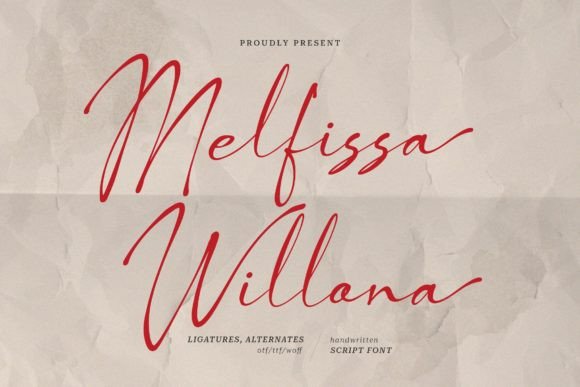
Melfissa Willona Casual Chic Font distinguishes itself through its unique stroke variation and natural flow. Unlike rigid geometric scripts or overly decorative calligraphy, this typeface aims for a balance that mimics the movement of a fine-point pen. The characters connect with a sense of rhythm, creating words that appear cohesive rather than disjointed. For professionals evaluating fonts, the primary appeal lies in its versatility; it possesses enough structure to remain legible at smaller sizes while retaining the artistic flair required for headlines and display text.
Core Characteristics and Design Philosophy
To determine if Melfissa Willona aligns with your project goals, one must first analyze its structural components. The font features varying line weights that simulate pressure changes during writing, adding depth and texture to the letterforms. This dynamic quality prevents the text from appearing flat, a common issue with many digital script fonts. The x-height is generally moderate, which aids in readability when the font is used for longer passages of text, although it remains primarily optimized for short phrases and titles.
The "Casual Chic" descriptor in its full name suggests a duality in its design intent. It avoids the formality associated with classic copperplate scripts but does not descend into the chaos of messy graffiti styles. Instead, it occupies a middle ground suitable for contemporary brands that wish to convey warmth, creativity, and sophistication simultaneously. This balance makes it a strong candidate for industries where human connection is paramount, such as lifestyle blogs, boutique retail, and artisanal product lines.
Ideal Applications Across Industries
The utility of Melfissa Willona extends across a broad spectrum of design mediums. Its ability to adapt to different contexts without losing its identity is a significant advantage for designers managing multiple deliverables for a single client. Below are specific scenarios where this typeface proves particularly effective:
- Branding and Logos: For startups or small businesses aiming for a friendly yet professional image, the font can serve as the cornerstone of a brand identity. The fluid nature of the letters suggests agility and creativity, traits highly valued in the modern market.
- Product Packaging: In the food and beverage sector, particularly for organic foods, cosmetics, or artisanal goods, Melfissa Willona adds a touch of exclusivity. The script style implies that the product was crafted with care, enhancing perceived value.
- Stationery and Paper Goods: Name cards, invitation cards, and greeting cards benefit immensely from the personal feel of this font. It transforms standard paper items into keepsakes, elevating the recipient's experience.
- Apparel and Merchandise: T-shirts and shopping bags often require text that stands out without being aggressive. The casual chic aesthetic fits well with streetwear trends that lean towards minimalism and retro vibes.
- Digital Media: Photography watermarks and social media graphics utilize the font to add a signature element to images. It acts as a subtle branding tool that does not overpower the visual content.
Benefits and Tradeoffs
Evaluating any typeface requires a realistic assessment of both its strengths and limitations. Melfissa Willona offers several distinct benefits that justify its inclusion in many design portfolios. The most notable advantage is its emotional resonance. Because it mimics handwriting, it triggers a psychological response of intimacy and trust in the viewer. This is particularly valuable in marketing materials where building a relationship with the customer is the primary objective.
Furthermore, the font is generally compatible with a wide range of background colors and textures. Its clean lines allow it to be paired effectively with sans-serif body text, creating a balanced typographic hierarchy. However, designers must also consider the tradeoffs. As a display-oriented script, it is not suitable for long-form reading material such as book chapters or legal documents. Attempting to use it for paragraphs of text can result in eye strain and reduced comprehension due to the complexity of the letter connections.
Another consideration is technical compatibility. While most modern operating systems support OpenType features, older software versions may struggle with complex ligatures or alternate characters. Additionally, because the font has a distinct personality, it may clash with projects requiring strict neutrality or corporate conservatism. In such cases, the font might appear too informal, potentially undermining the authority of the message.
Situations Where Alternatives May Be Preferred
While Melfissa Willona is a robust choice for many applications, it is not a universal solution. There are specific situations where alternative typefaces may yield better results. If a project demands absolute clarity and speed of reading, such as safety signage or data-heavy infographics, a clean sans-serif or serif font would be more appropriate. Similarly, for high-end luxury brands that rely on tradition and heritage, a more structured and formal script or a classic serif might convey status more effectively than the casual nature of Melfissa Willona.
Designers should also evaluate the target demographic. A younger audience might respond well to the trendy aspect of the font, whereas an older demographic accustomed to traditional print media might find the stylized forms difficult to process quickly. Furthermore, if the project involves multilingual support, the availability of other language glyphs in the font family becomes a critical factor. If Melfissa Willona lacks necessary character sets for non-Latin alphabets, a different typeface that supports global languages will be necessary to ensure inclusivity.
Practical Decision-Making Insights
When deciding whether to integrate Melfissa Willona into a project, the final step is a practical test of its performance in context. Do not rely solely on preview images; create mockups that reflect the actual end-use environment. Test the font at various sizes, from large billboards down to small mobile screens, to ensure legibility is maintained. Pay close attention to how the kerning (spacing between letters) behaves, as script fonts often require manual adjustment to look their best.
Consider the pairing strategy carefully. Since Melfissa Willona is a statement font, it should typically be supported by a neutral typeface for secondary information. A simple geometric sans-serif often complements the organic curves of the script without competing for attention. This combination creates a visual contrast that guides the reader's eye and establishes a clear hierarchy of information.
Ultimately, the success of using Melfissa Willona depends on the alignment between the font's personality and the project's communication goals. It is a powerful tool for adding a human touch to digital and physical designs. By understanding its capabilities and limitations, designers can make informed decisions that enhance the overall quality and impact of their work. Whether for logos, homeware, or special events, this font offers a refined script taste that can elevate a project from ordinary to memorable, provided it is applied with intention and strategic foresight.